
What is a Trial Reset How They Work & The Risks Involved
Almost everyone has felt that small wave of frustration. You install new software, explore its features, enjoy how smoothly it fits into your daily work, and just when it starts to feel familiar, the trial ends. Suddenly, access is blocked, reminders pop up, and you’re asked to pay before you feel ready. That moment often pushes people to search for a Trial Reset, hoping for a simple way to keep going without pressure.
At first glance, it feels harmless. Just a little reset. Just more time. But behind that simple idea lies a much bigger story that most users never see.
This guide explains what trial resets really are, how they function, why they carry serious risks, and which safer options bring peace of mind instead of regret.
The Frustration Behind Software Trial Limits
Software trials are designed to help users explore before committing. The problem is timing. Life gets busy. You may not fully test every feature within a fixed window. When the trial expires, it can feel abrupt and unfair.
That emotional gap between “almost convinced” and “time’s up” is where many risky decisions begin. People want continuity, not interruption. And that desire makes shortcuts feel tempting.
What a Trial Reset Actually Means
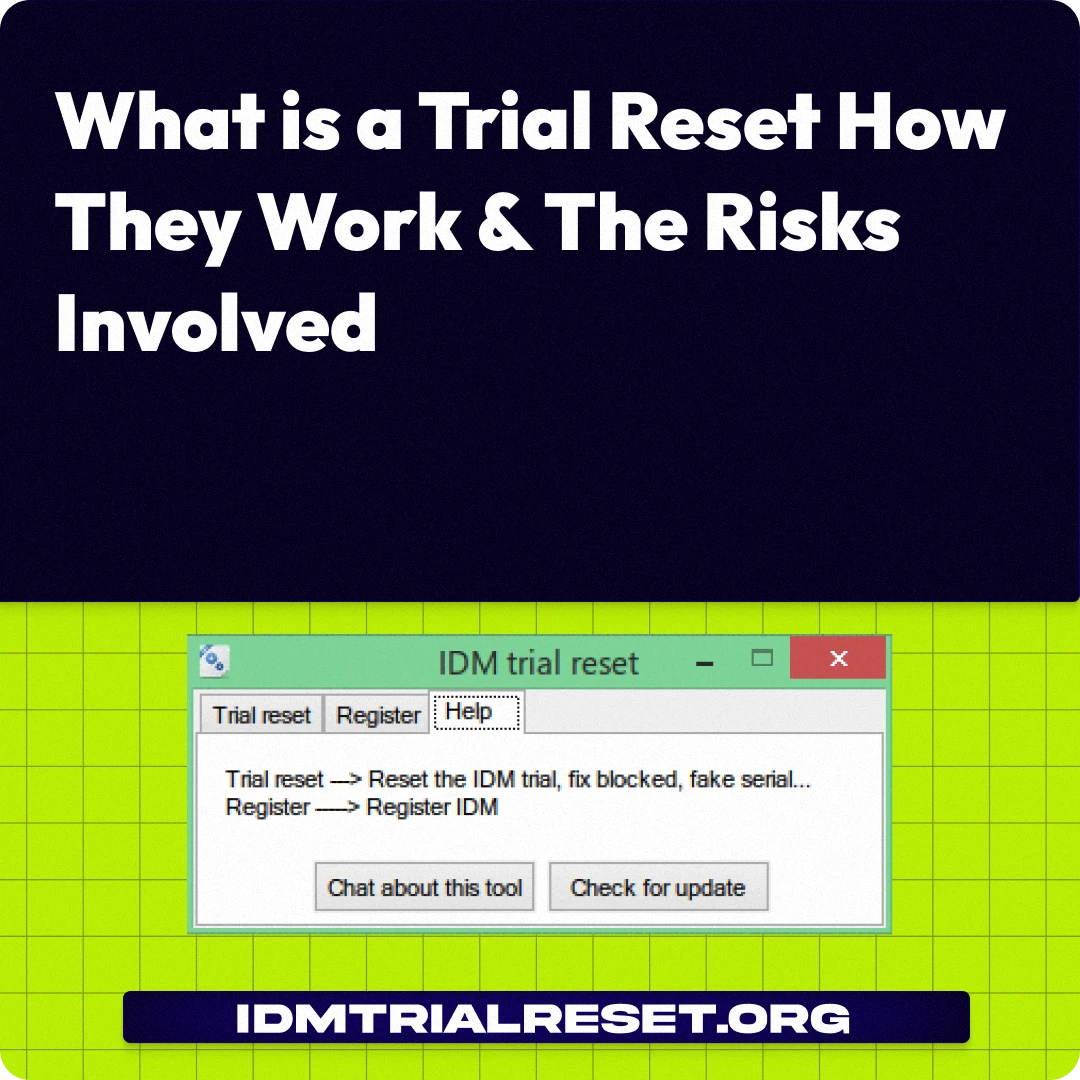
A trial reset is a utility that attempts to restore a software program to its original trial state. Instead of buying a license, the user restarts the evaluation period by removing the data that proves the trial has already been used.
From the user’s point of view, the software simply opens again like it’s brand new. No warnings. No countdown. Just full access.
What feels like a friendly second chance is actually the software losing track of its own history.
How Software Tracks Trial Periods
Most modern programs are much smarter than a simple calendar check. They store trial information in multiple places to prevent easy removal.
Registry-based tracking
On Windows systems, many applications write encrypted values into the Windows Registry. These entries can include install dates, usage counters, or expiration flags. They are intentionally difficult to locate and not meant to be edited manually.
Hidden system files
Some programs also place hidden files deep inside system folders like AppData or ProgramData. These files quietly record when the software was first launched and how long it has been active.
Together, these methods create a reliable timeline that survives restarts and basic uninstalls.
How Trial Reset Tools Work Behind the Scenes
A trial reset tool is programmed to target a specific application. It knows exactly where that software stores its trial data.
When run, the tool scans the registry and system directories, deletes matching entries, and removes hidden files. Once that data is gone, the software has no memory of its previous usage.
Tools such as IDM Trial Reset Tools are often shared online with simple instructions, making the process seem safe and routine. But what they change under the hood is anything but small.
Trial Reset vs Cracks vs Keygens
The Real Risks Most Users Don’t See
The dangers are rarely visible at first, which is why they’re so easy to underestimate.
Malware and hidden threats
Trial reset tools are rarely distributed from trustworthy sources. They often come bundled with spyware, trojans, or ransomware. Even experienced users can miss subtle infections that quietly collect passwords, banking details, or personal files.
This risk increases dramatically when users repeatedly use a trial reset tool downloaded from forums or file-sharing sites.
System stability issues
These tools modify the registry, which is the backbone of the operating system. One incorrect deletion can lead to crashes, corrupted programs, or systems that fail to boot properly.
What starts as a small shortcut can end in hours of troubleshooting or permanent data loss.
Legal and ethical concerns
Using these tools violates software license agreements. While individuals are rarely targeted, businesses and professionals face real legal exposure. Beyond legality, there’s also the ethical side. Developers rely on licenses to maintain, improve, and secure their software.
Why These Tools Still Attract Users
Despite the risks, people keep searching for them. The reason is simple and human. They want flexibility. They want control. And they want to avoid making rushed decisions.
Conclusion
It’s completely natural to want more time before committing to software you rely on. But shortcuts that tamper with your system often cost far more than they promise to save. Choosing security, transparency, and legal options leads to a smoother experience and fewer regrets.
When you understand the full picture behind a Trial Reset, the best decision becomes surprisingly clear.